Custom Framing as a Thoughtful Valentine’s Day Gift
Valentine’s Day gifts can be tricky.
You want something meaningful… but not cheesy. Thoughtful… but not stressful. Romantic… but also something they’ll actually keep.
And while flowers are lovely and chocolate is always a win, the truth is: those gifts don’t last.
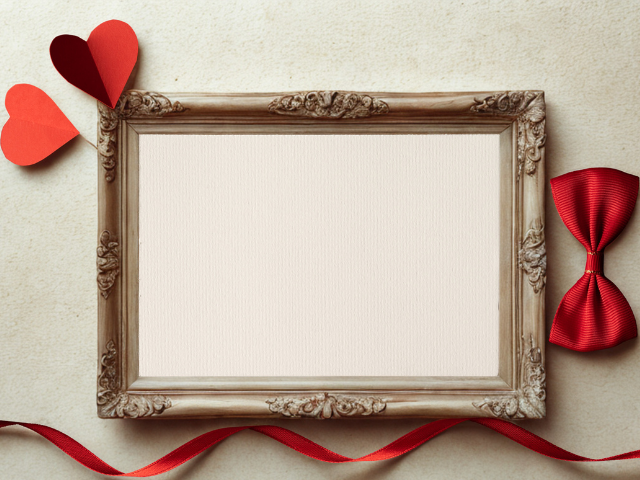
If you want to give something personal, lasting, and genuinely heartfelt, custom framing might be one of the most thoughtful Valentine’s Day gifts you can give.
Because It’s Not Just a Gift. It’s a Memory.
Custom framing is one of those rare gifts that says, “I know what matters to you.”
It’s not about the frame itself. It’s about what’s inside it. A photo, a letter, a keepsake, a piece of art, a ticket stub… something with meaning.
And framing it turns that meaningful thing into something your person can enjoy every day, instead of keeping it tucked away in a drawer.
It’s Personal Without Being Over-the-Top
Not everyone wants a giant teddy bear holding a heart. (No judgment. But… you know.)
Custom framing is personal in a quieter, more lasting way. It shows effort and intention without being flashy.
It’s a “wow, you really thought about this” kind of gift, which is basically the highest compliment you can get on Valentine’s Day.
What You Can Frame for Valentine’s Day
If you’re not sure what counts as a “frame-worthy” gift, here are a few ideas that work beautifully:
A Favorite Photo
A wedding photo, vacation photo, a picture from when you first met, or even a casual photo that captures a real moment.
Love Notes or Letters
Handwritten notes, a card, or even a meaningful text printed in a beautiful layout.
Concert or Event Tickets
A framed ticket stub from a show you went to together is such a fun memory piece.
A Map
A map of where you met, where you got married, or a city you love.
Kids’ Artwork
If you’re celebrating as parents, framing a child’s drawing for your partner can be incredibly touching.
Something They Created
If your Valentine is an artist, photographer, or creative, framing their work is one of the most supportive gifts you can give.
It Feels Like a Luxury Without Being Impersonal
There’s something special about professional framing. It looks polished. Elevated. Intentional.
But it doesn’t feel generic the way many “luxury” gifts do. It’s still deeply personal, just beautifully presented.
Bonus: It Lasts for Years
Unlike flowers or candy, custom framing is a gift that becomes part of the home.
Every time they walk past it, they’ll remember the moment, the meaning, and the person who gave it to them.
That’s the kind of Valentine’s Day gift that keeps working long after February 14th.
Frame Center Can Help You Make It Perfect
Not sure what frame style to choose? Don’t worry, that’s what we’re here for.
At Frame Center, we’ll help you pick the perfect frame, matting, and protective glass to match the piece and the person you’re giving it to, whether it’s romantic, modern, classic, playful, or sentimental. We’ll make sure it feels just right. And if you’d rather let them choose, Valentine’s Day gift cards are also available and make a thoughtful, easy option.
A Valentine’s Day Gift That Actually Means Something
If you want to give a gift that’s personal, lasting, and full of heart, custom framing is a beautiful way to do it.
Because the best gifts aren’t always the biggest. They’re the ones that say, “I chose this because I know you.”
