
Shadow Box Framing: What to Frame and Why
A jersey, medal, baby shoe, or collection of concert tickets doesn’t exactly fit inside a traditional picture frame.
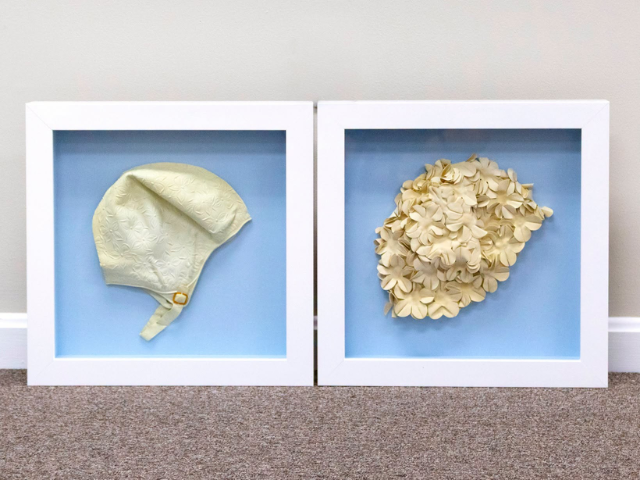
That’s where shadow box framing comes in. Instead of treating a keepsake like a flat photograph or print, a shadow box creates space inside the frame so three-dimensional objects can be displayed safely and thoughtfully. It opens up a whole range of possibilities for preserving the things that matter to you, even when they don’t fit the usual definition of artwork.
What Is Shadow Box Framing?
A shadow box is a deeper style of frame designed to hold objects with dimension.
Traditional framing typically places a flat piece between a backing, mat, and glazing. A shadow box adds depth, allowing objects to sit away from the glass rather than being pressed directly against it.
That extra space makes it possible to frame items such as:
- Sports jerseys
- Medals and awards
- Military memorabilia
- Baby clothes and shoes
- Concert or event memorabilia
- Flags and patches
- Travel keepsakes
- Children’s artwork and crafts
- Small collectibles
- Three-dimensional artwork
The frame essentially becomes a small display case, but with the finished appearance of a professionally designed piece of wall art.
When Should You Use a Shadow Box?
The easiest way to know whether a shadow box is appropriate is to look at the item itself.
If it has depth, an unusual shape, or multiple pieces that you want to display together, a shadow box may be a better option than traditional framing.
For example, a signed jersey needs room for the fabric to sit naturally. A collection of medals needs enough depth to accommodate the ribbons and hardware. A group of concert tickets may need a different solution if you’re also including photographs, wristbands, or other souvenirs.
The design should work around the objects rather than forcing them into a flat frame.
Jerseys Are a Classic Shadow Box Project
Sports jerseys are one of the most recognizable examples of shadow box framing.
Rather than folding a jersey into a drawer after a memorable season or game, a shadow box allows it to become a permanent display. The jersey can be arranged to show the number, name, patches, and other details that make it special.
You can also build the story around it.
A framed jersey might include a signed photograph, team logo, championship patch, ticket stub, or other memorabilia from the same season.
The result is more personal than simply hanging the jersey on a wall hanger.
Preserve Medals, Military Items, and Awards
Some of the most meaningful shadow box projects involve items connected to personal achievements or service.
Military medals, ribbons, patches, challenge coins, badges, and photographs can be arranged together to create a display that tells a much larger story.
Awards and achievements can also benefit from this approach. A marathon bib, medal, race photo, and finishing time can become a single display rather than a collection of objects stored in a closet.
For items that are especially valuable or delicate, professional framing can help determine appropriate materials and mounting methods.
Turn Baby Clothes Into a Keepsake
Baby clothes don’t stay tiny forever, which is part of what makes them so sentimental.
A first outfit, tiny shoes, hospital bracelet, or favorite childhood item can be preserved in a shadow box instead of being packed away in storage.
You can keep the design simple by displaying one special item, or create a larger memory piece that combines clothing with photographs, birth announcements, or handwritten notes.
These projects often become family keepsakes that can be passed down later.
Create a Display From Your Favorite Memories
Shadow boxes aren’t limited to individual objects.
They can bring several small memories together in one frame.
Think about a concert collection with tickets, photographs, wristbands, and a set list. Or a travel display with postcards, maps, photographs, and small souvenirs.
The depth of the frame gives each object room while the overall design creates a visual story.
It’s a particularly useful approach for collections that would otherwise remain scattered across drawers and boxes.
Why Shadow Box Framing Requires More Planning
Framing a three-dimensional object isn’t as simple as putting it inside a deeper frame.
Every item has to be considered individually. Its weight, shape, material, and placement all affect how it should be mounted and supported.
The objects also need to be positioned so they remain visible without creating unnecessary pressure or contact with the glazing.
That makes the design process especially important. A professional design consultation gives you an opportunity to discuss what you want to include, how you’d like it arranged, and what materials make sense for the project.
Choosing the Right Glazing and Materials
The objects inside a shadow box still need protection.
Depending on what’s being framed, glazing can help protect the display from dust, light, and environmental exposure. UV-protective options can be particularly useful for items that could fade over time.
The backing and mounting materials matter, too.
For valuable or sentimental objects, archival materials can help reduce the risk of damage caused by acidic materials or improper mounting.
This is where custom framing services can make a difference. The frame isn’t simply selected for appearance. The materials and construction are chosen based on what’s going inside it.
Does Everything Need to Be a Shadow Box?
If you’re framing a flat photograph, print, watercolor, or document, traditional framing may be the more appropriate choice.
A shadow box makes sense when depth is part of the project.
That’s why it’s worth bringing the actual item in before deciding on a framing style. Seeing its size, shape, and condition makes it much easier to determine the best way to display it.
The Frame Should Tell the Story
The most successful shadow boxes don’t feel like storage containers attached to a wall.
They feel like finished pieces of art.
A thoughtfully arranged collection has a natural flow. The frame and matting provide structure, while the objects remain the focus. Whether you’re displaying a championship jersey, preserving a family heirloom, or bringing together years of concert memories, the design should make people want to stop and look.
Give Your Three-Dimensional Keepsakes a Place to Be Seen
Shadow box framing is a practical solution for objects that don’t belong in a traditional frame. It gives memorabilia, textiles, awards, and collections the space they need while turning them into something you can actually enjoy.
If you have a keepsake you’ve been storing because you haven’t figured out how to display it, bring it to Frame Center. Seeing the item in person is the best place to start, and you can explore the possibilities for turning it into a finished display you’ll be happy to put on the wall.
