

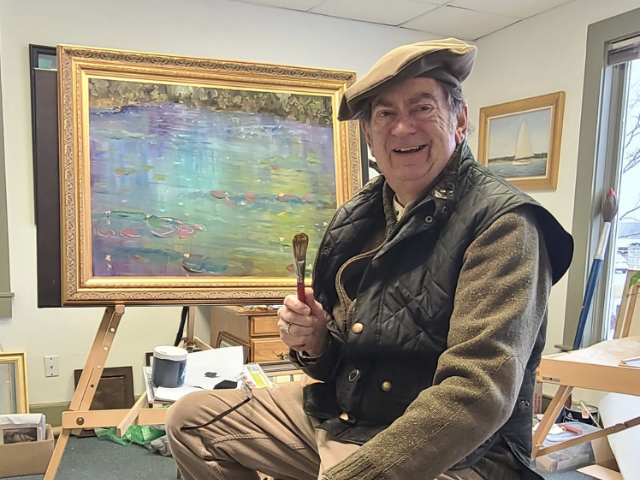
There’s a moment every artist knows well.
You step back, look at the piece, and think, “It’s done.”
The brushes are cleaned. The paint has dried. The signature goes on.
But finishing the artwork isn’t actually the end of the journey. In many ways, it’s the beginning of a new one.
Before a piece hangs in a home, a gallery, or a collector’s office, there are a few important steps that help ensure it looks its best and stays protected for years to come.
Give It Time
Depending on the medium, the first step may simply be… waiting.
Oil paintings, for example, can take weeks or even months to fully cure. Even acrylics, mixed media pieces, and works on paper should be handled carefully after they’re finished.
Giving the artwork time to stabilize helps prevent accidental damage before it’s ready to be displayed or transported.
Decide Where the Piece Is Going
Not every artwork has the same destination.
Some pieces are headed to an exhibition. Others are being delivered to a collector, displayed in a business, or hung in the artist’s own studio.
Where the artwork will live often influences how it’s finished and presented.
A gallery-ready piece may call for a different approach than artwork that’s going into a private home.
Presentation Matters
The artwork should always be the star, but presentation plays a supporting role.
A thoughtfully selected frame doesn’t compete with the piece. Instead, it complements the colors, balances the composition, and helps the artwork feel complete.
This is why many artists choose custom framing rather than settling for a standard frame. Every piece is different, and the frame should reflect that.
Sometimes the perfect choice is simple and understated. Other times, a wider moulding or carefully selected mat can completely transform how the artwork is experienced.
Protection Is Just as Important
Once artwork leaves the studio, it’s exposed to things that weren’t part of the creative process like sunlight, dust, humidity, and accidental bumps during transportation.
Professional custom framing services help protect finished artwork with archival materials, UV-protective glazing, and conservation techniques that preserve both the artwork and the artist’s original vision.
For works on paper especially, using acid-free materials and proper mounting methods can make a significant difference over time.
Preparing for Galleries and Collectors
Artists often think about the artwork itself, but collectors and galleries notice the details surrounding it, too.
A professionally framed piece is easier to transport, easier to install, and immediately ready for display.
Consistent presentation also creates a stronger body of work, especially for artists preparing exhibitions or selling multiple pieces.
It’s one of those finishing touches that quietly adds professionalism without distracting from the art itself.
The Artwork Deserves a Long Life
Artists invest countless hours into creating a single piece.
Choosing the right frame is one of the final decisions that helps protect that investment.
A well-framed piece isn’t just easier to display. It has a better chance of looking the same years from now as it did the day it left the studio.
The Final Step Before It Finds a Home
Creating the artwork may be the biggest part of the process, but it’s not the last.
The transition from studio to wall is where presentation, preservation, and craftsmanship come together.
Whether you’re preparing for your next gallery show, delivering work to a client, or adding a finished piece to your own collection, our custom framing services can help showcase your artwork while protecting it for years to come.
If you’re ready for the next step after the final brushstroke, stop by Frame Center or contact us. We’d love to help you find the right framing solution for your work.